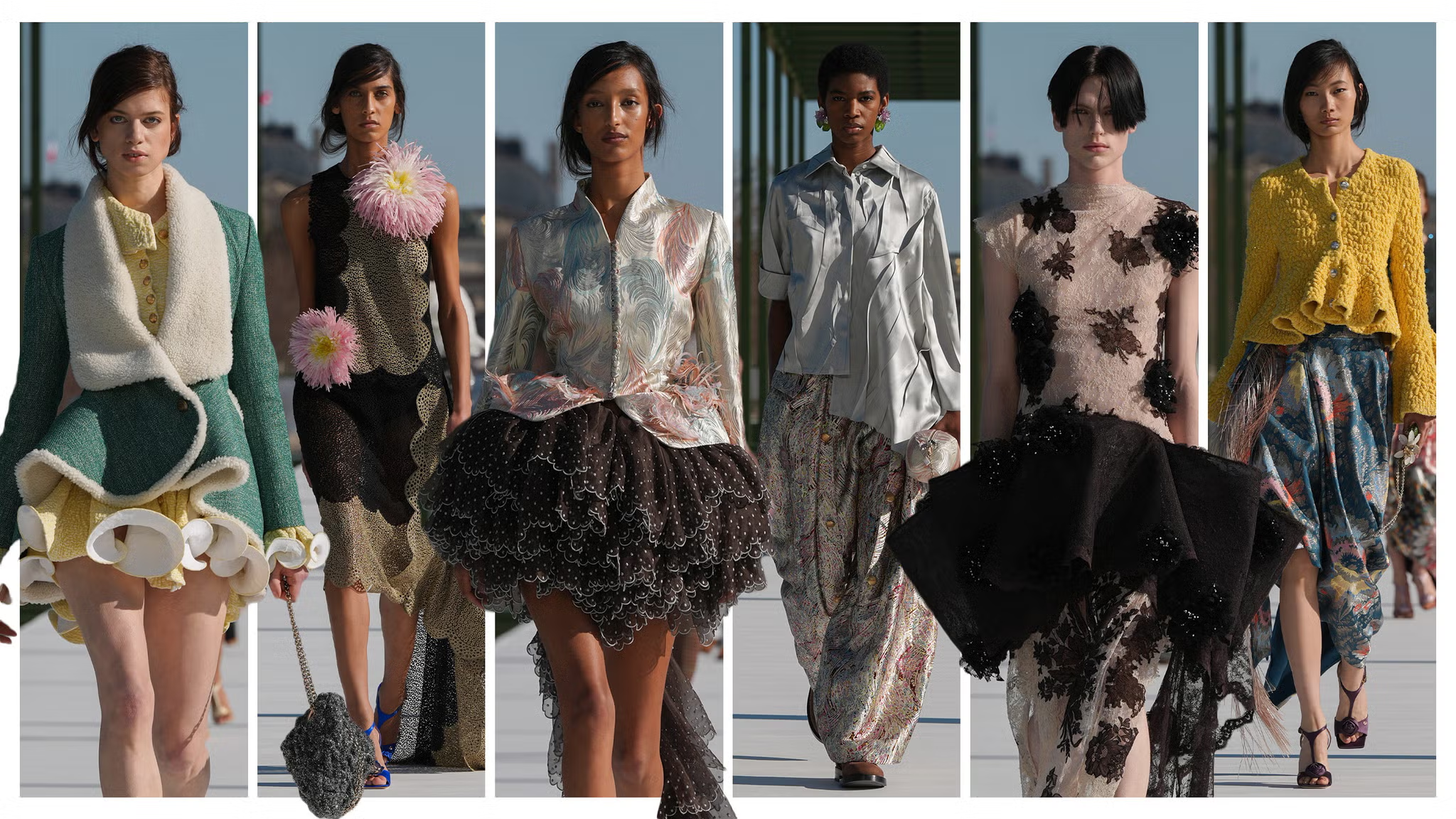
It sparkled, it swayed, it caught the light — Jonathan Anderson’s Fall/Winter 2026–2027 collection for Dior unfolded like a cinematic walk through the gardens of Paris. Presented outdoors in the historic Tuileries Garden, the show transformed the idea of a simple afternoon stroll into a fully realized fashion narrative. Models crossed bridges over lily ponds and circled a glasshouse constructed specially for the occasion, creating the impression of an elegant promenade where dressing up becomes part of the ritual of being seen.
The setting itself plays a critical role in Anderson’s evolving vision for Dior. The Tuileries has long been associated with the maison, reflecting founder Christian Dior’s lifelong fascination with flowers and gardens. By staging the runway around water-lily ponds reminiscent of Claude Monet’s famous series, located just steps away at the Musée de l’Orangerie, Anderson connects Dior’s heritage to a broader artistic tradition rooted in impressionism, light, and atmosphere.
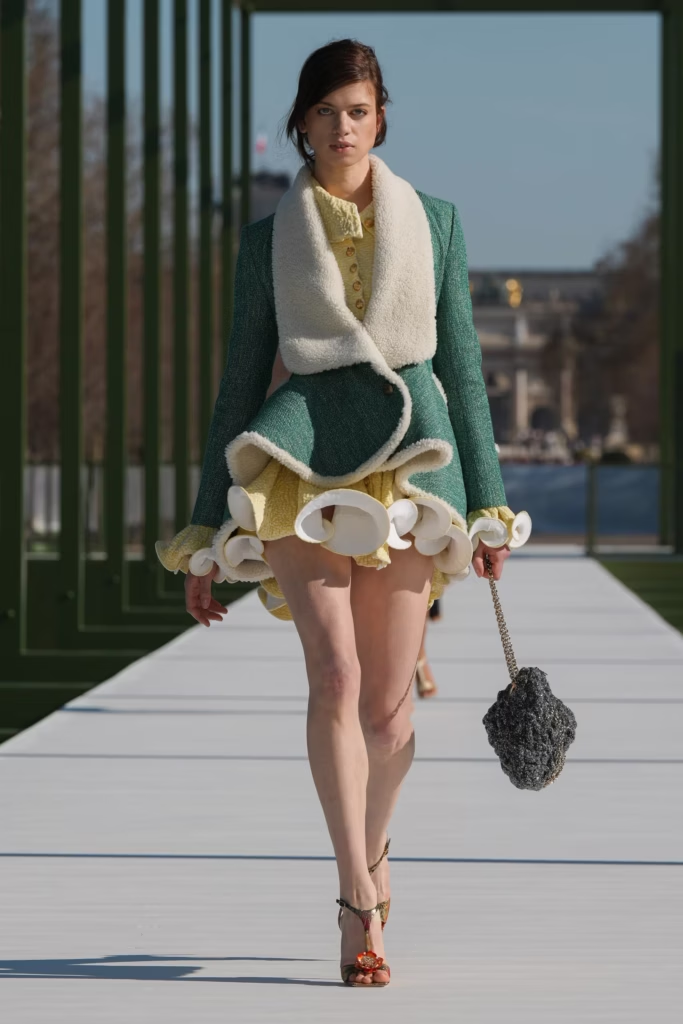
Dior Fall/Winter 2026–2027 Collection
Rather than approaching florals in a literal sense, Anderson interprets the garden as an emotional and cultural space — a site where people gather, observe, and perform identity. The hexagonal runway structure and park-green seating referencing the iconic Fermob chairs subtly reinforce the idea of fashion as social ritual. The collection imagines clothing as part of a lived experience: garments meant not just for display, but for movement, conversation, and chance encounters.
At the heart of the collection lies a reinterpretation of Dior’s most iconic silhouette: the Bar jacket. Anderson shortens and crops the house classic, pairing it with tiered Swiss-dot ruffle skirts that trail behind the body like petals caught in motion. The reference to Dior’s 1949 Junon gown appears through scalloped textures transformed into asymmetrical denim skirts, merging couture history with contemporary wearability. This tension between past and present reflects Anderson’s broader ambition to modernize Dior without diluting its identity.
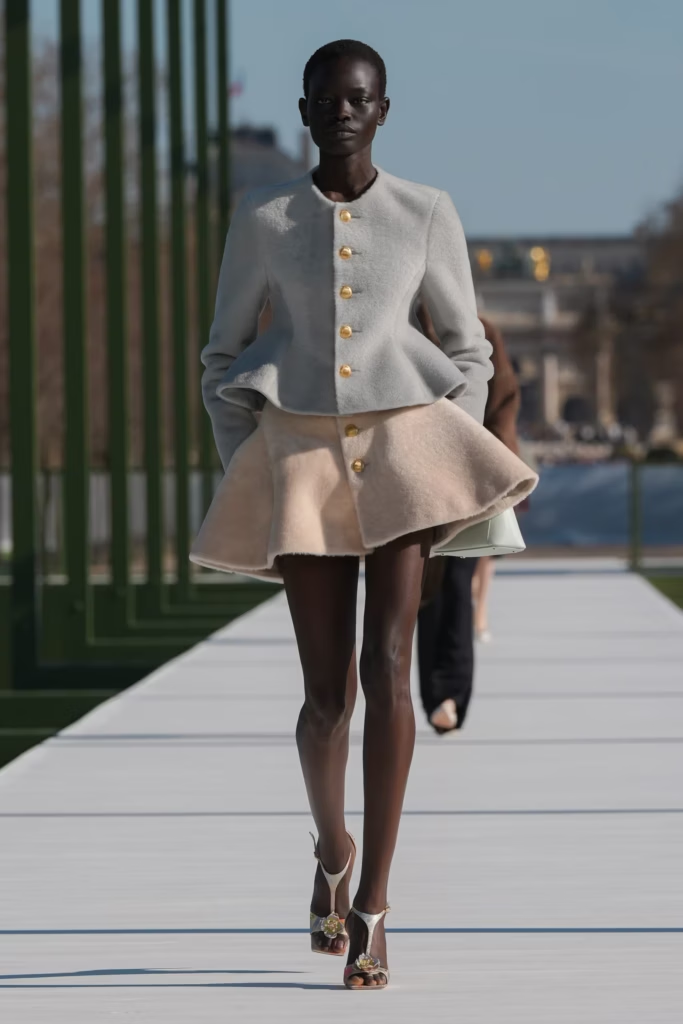
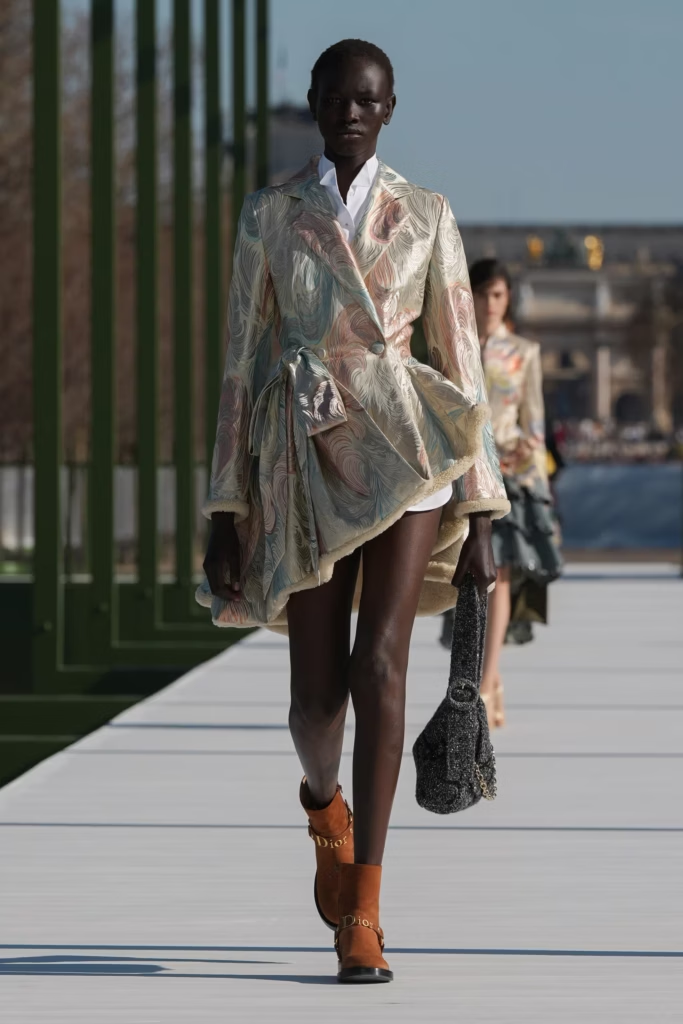
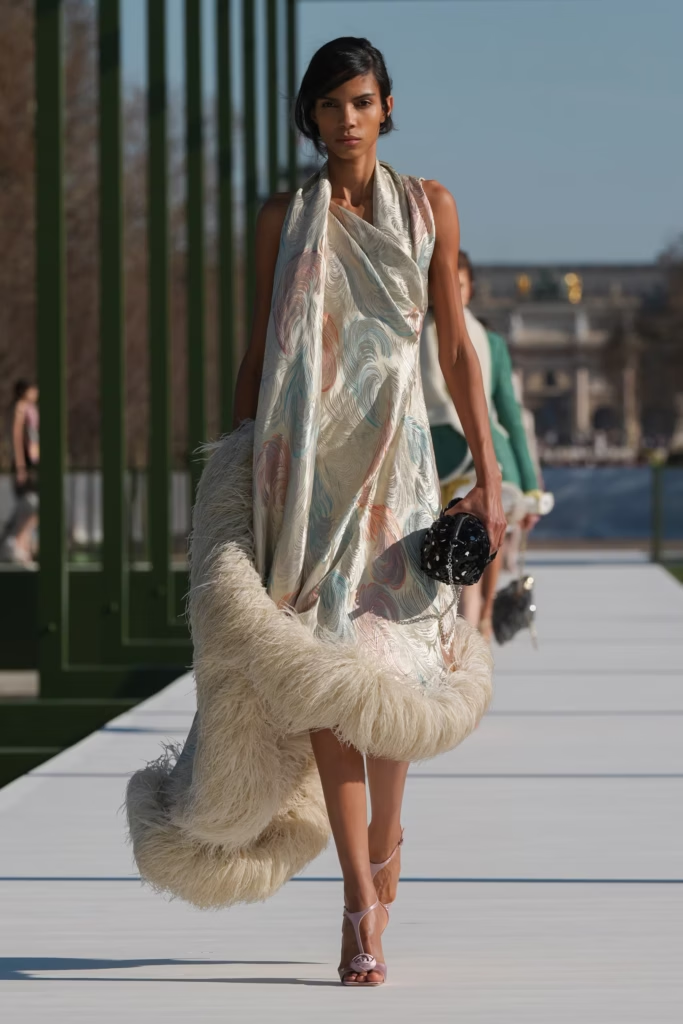
Dior Fall/Winter 2026–2027 Collection
Silhouettes move fluidly between romance and subversion. Poiret-inspired balloon trousers, frock coats lined in shearling, and bustle-like shapes reinterpret 18th-century aristocratic codes through a distinctly modern lens. Masculine tailoring appears alongside delicate Chantilly lace, creating a dialogue between structure and softness. The collection also introduces more accessible wardrobe components — relaxed trousers, robe-style coats worn as dresses, and embellished denim — suggesting a strategic effort to balance conceptual design with commercial relevance.
From an analytical perspective, Anderson’s Dior continues to redefine what heritage fashion houses can represent in a post-minimalist era. While recent years have emphasized quiet luxury and understated branding, this collection signals a renewed appetite for emotional resonance in clothing. Anderson’s work suggests that historical references can function not as nostalgia, but as tools for innovation. By drawing on Belle Époque ideals of promenade culture, he reframes fashion as performance — something inherently social rather than purely transactional.
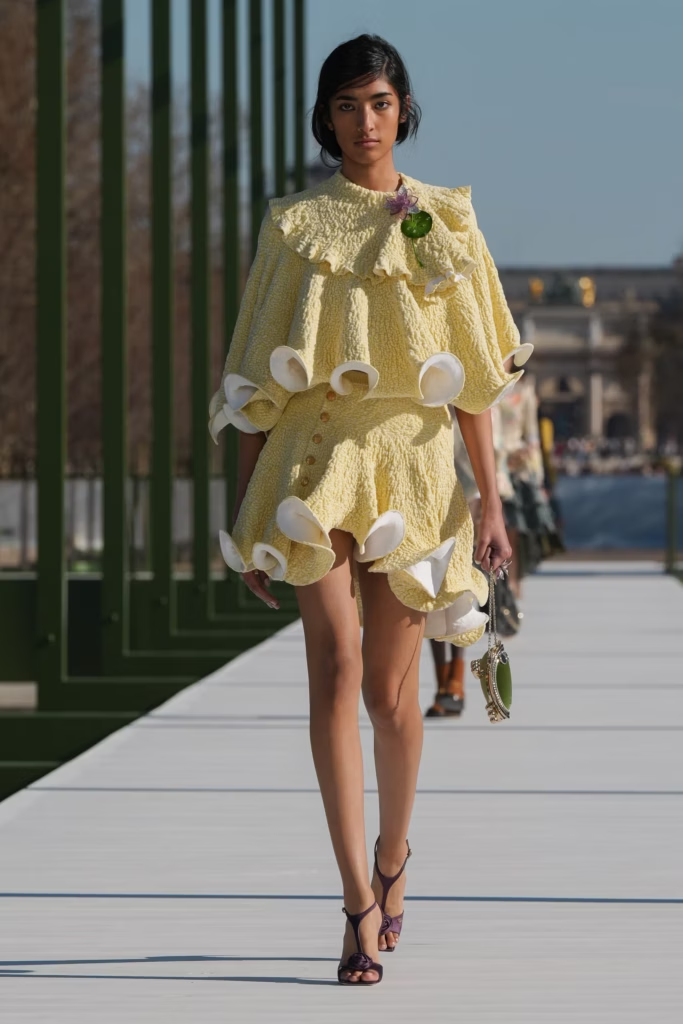
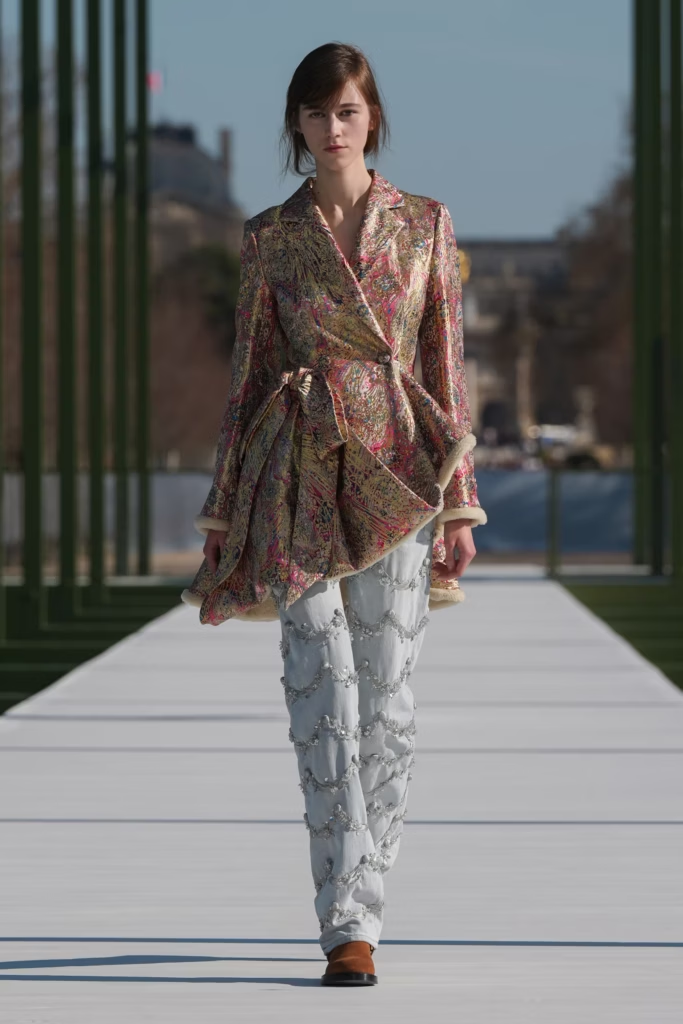
Dior Fall/Winter 2026–2027 Collection
The show’s timing also underscores shifting attitudes toward seasonality. Presented during an unusually warm Paris spring day, the collection emphasizes transitional dressing designed for daylight rather than strictly winter wardrobes. This approach reflects broader industry changes as climate unpredictability and evolving consumer habits weaken traditional seasonal boundaries. Anderson acknowledges this fluidity, proposing a wardrobe adaptable to shifting environments without sacrificing aesthetic coherence.
Literary influences further enrich the collection’s conceptual depth. References to Les Fleurs du Mal and The Well of Loneliness introduce themes of observation, identity, and quiet rebellion. These narratives subtly inform the duality within the collection’s silhouettes — structured yet soft, formal yet relaxed, historical yet distinctly contemporary.
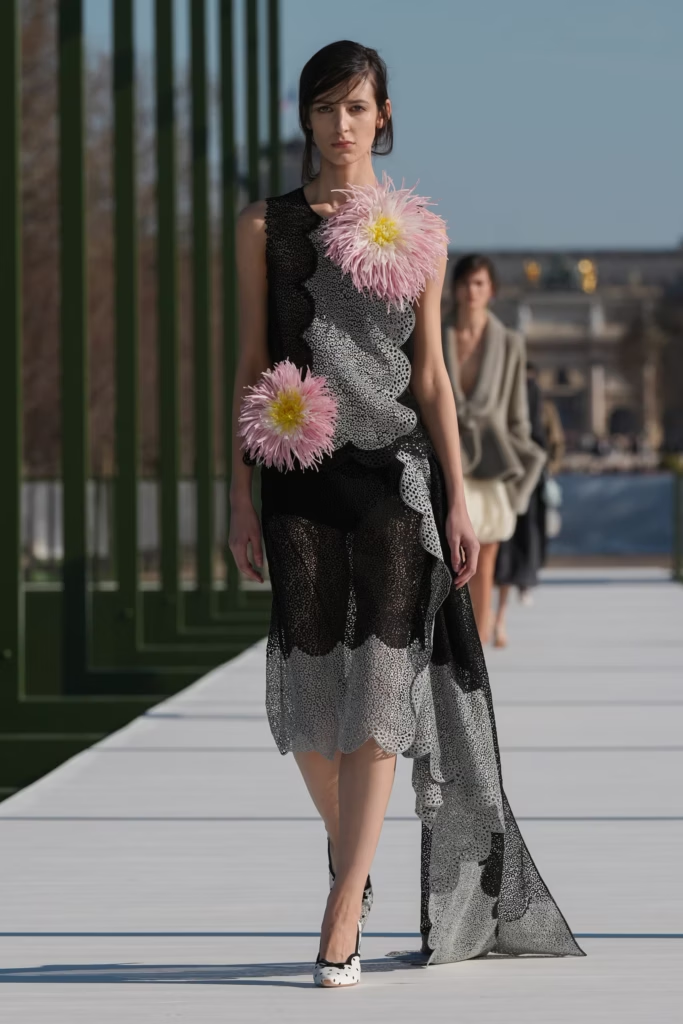
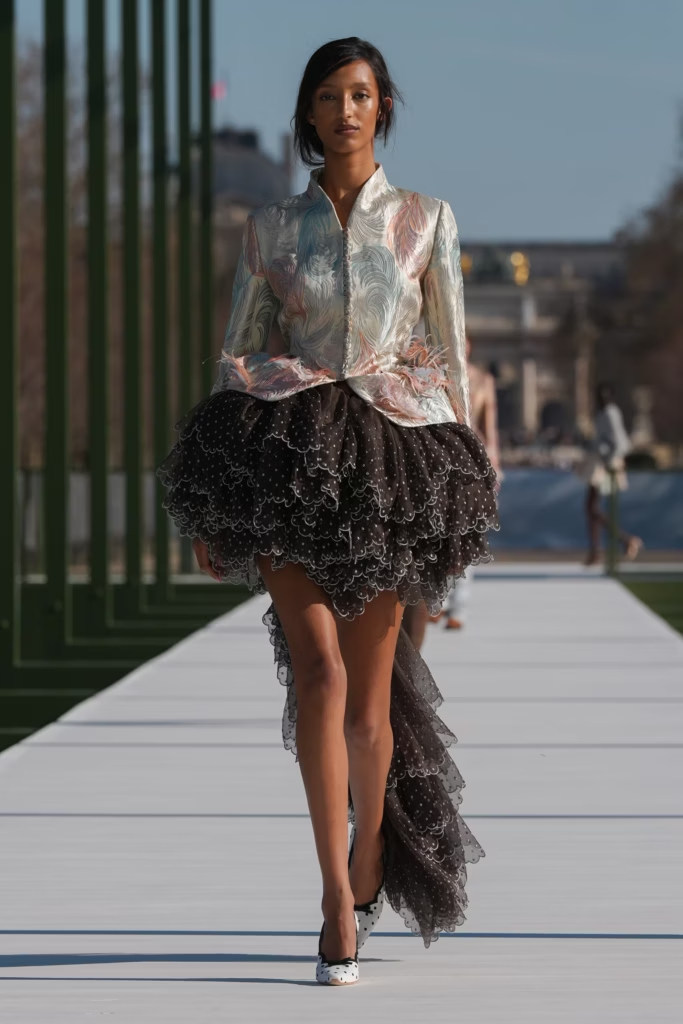
Dior Fall/Winter 2026–2027 Collection
Importantly, Anderson resists creating a fixed formula for Dior. Instead, he builds a visual vocabulary that evolves season by season, allowing the brand’s identity to remain dynamic rather than static. This approach reflects a broader shift within luxury fashion, where consistency must coexist with continuous reinvention in order to maintain cultural relevance.
Ultimately, the collection succeeds because it evokes feeling rather than simply presenting clothes. There is a sense of lightness in both construction and spirit, suggesting a renewed optimism in fashion after years of commercial homogeneity. Anderson’s Dior invites its wearer to participate in a narrative — to dress up, step outside, and rediscover the pleasure of being present in the world.
In an era where fashion often feels over-calculated, this collection reminds us that beauty can still emerge from spontaneity. Here, couture does not isolate itself from everyday life; it enhances it. And in the soft glow of the Tuileries, the simple act of getting dressed becomes something quietly extraordinary. ✨