Fast fashion titan Shein is making headlines again—this time for a bold and commendable move in the name of animal welfare. The Chinese e-commerce giant has officially banned the sale of fur and exotic animal skins across its entire platform, including its third-party marketplace. This updated policy marks a significant expansion of Shein’s existing no-fur stance, which previously applied only to its in-house labels.
The decision follows a 2024 investigation by PETA (People for the Ethical Treatment of Animals), which uncovered troubling listings from third-party vendors offering real fur coats and accessories made from alligator, crocodile, ostrich, and snake skin—items that clearly violated the spirit of Shein’s original policy but slipped through the cracks of its rapidly expanding marketplace.
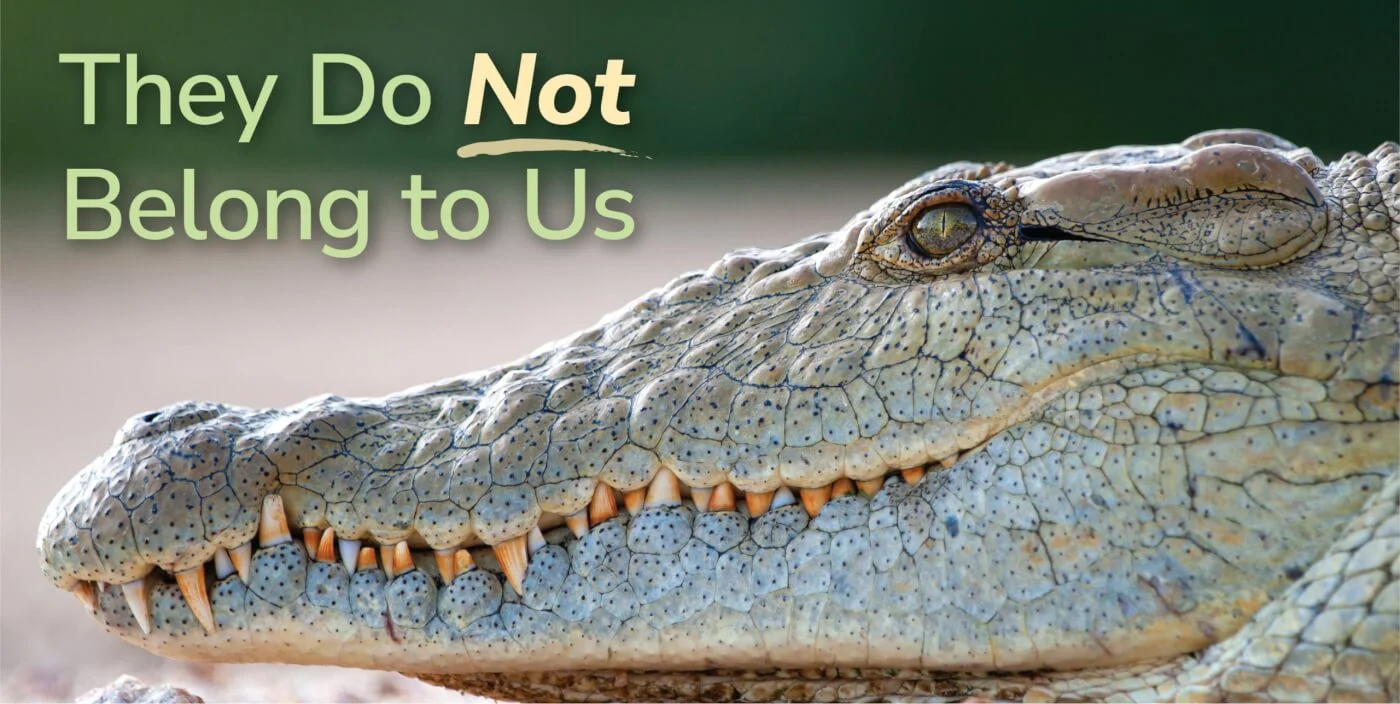
After a meeting with PETA, where detailed evidence was presented on the cruelty behind the exotic animal skin and fur industries, Shein acted swiftly to close the loophole. Now, not only will you not find any rabbit-fur-lined jackets or snake-skin heels under Shein’s own brand, but such products are also completely banned from its marketplace—no matter who’s selling.
A Win for Animals—and the Future of Fashion
“This is a win for foxes, ostriches, crocodiles, and countless other sentient beings,” said PETA Executive Vice President Tracy Reiman. “Every rabbit-fur coat or crocodile-skin purse is made with the suffering of a thinking, feeling being who didn’t want to die.”
Indeed, PETA’s investigations have consistently revealed heartbreaking realities: foxes confined to wire cages, ostriches plucked feather by feather, and crocodiles gruesomely slaughtered for fashion. By updating its policies, Shein is helping end the cycle of cruelty perpetuated by the demand for such materials.
This move also brings Shein into alignment with hundreds of major fashion players—including Asos, Chanel, Burberry, Canada Goose, Nike, and Nordstrom—that have already cut ties with fur and exotic animal skins. The shift signals a growing consensus in the industry: ethical fashion is no longer a niche; it’s the new norm.
Why This Matters
While Shein has faced significant criticism for its environmental practices and labor issues, this new policy is a rare example of how advocacy and consumer pressure can drive meaningful change, even in the fast-paced, profit-driven world of ultra-fast fashion.
In a time when younger consumers are increasingly choosing brands that reflect their values, this change may also be a strategic step for Shein. It shows the company is listening—at least when it comes to animal rights—and may open the door for broader conversations about sustainability and ethics in Shein’s supply chain.
What’s Next?
PETA is now turning its attention to other industry holdouts, most notably LVMH and its men’s creative director Pharrell Williams, urging them to follow Shein’s example and ban fur and exotic skins from their luxury collections.
Whether this marks a new era for Shein or a one-off gesture remains to be seen. But for now, the ban stands as a rare but powerful reminder: Fashion doesn’t have to come at the cost of animal suffering.