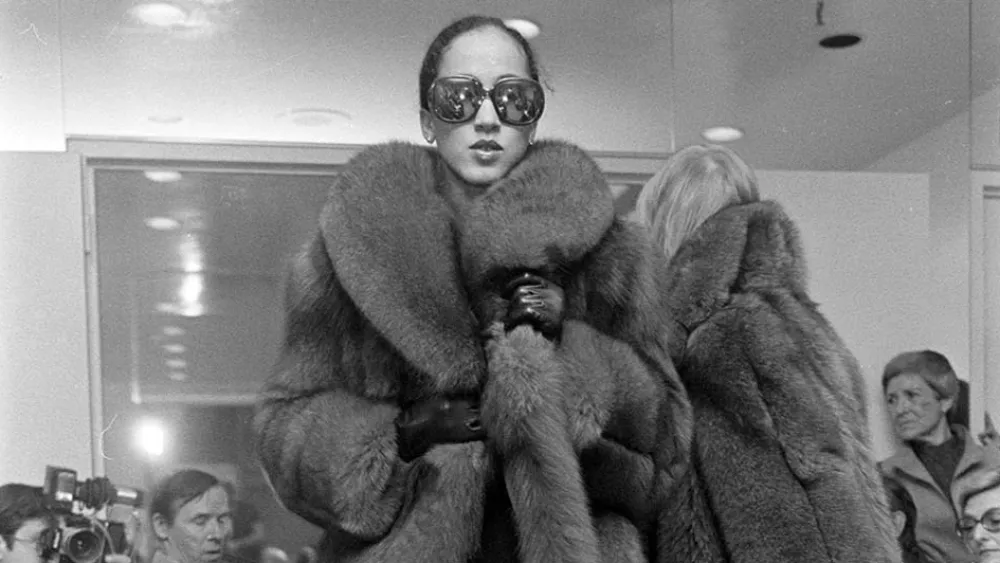
New York Fashion Week is officially going fur-free. The Council of Fashion Designers of America (CFDA) has announced that beginning September 2026, animal fur will no longer be permitted in collections shown on the Official New York Fashion Week (NYFW) Schedule, marking a major milestone in the global shift toward ethical and sustainable fashion.
As the organization that owns and manages the NYFW Fashion Calendar, the CFDA confirmed it will also cease promoting animal fur across its website, social media platforms, and all official NYFW events. The decision follows years of collaboration and dialogue with animal protection organizations Humane World for Animals and Collective Fashion Justice.
What the NYFW fur ban includes
Under the new policy, farmed or trapped animal fur sourced from animals killed specifically for their pelts will no longer be allowed on NYFW’s official runway. This includes, but is not limited to:
- Mink
- Fox
- Rabbit
- Chinchilla
- Karakul lamb
- Coyote
- Raccoon dog
The only exemption applies to fur obtained by Indigenous communities through traditional subsistence hunting practices, recognizing cultural heritage and sovereignty.
By setting the effective date in 2026, the CFDA is giving designers time to rethink materials, redesign collections, and adjust production processes without disruption.
Aligning NYFW with a global fur-free fashion movement
With this announcement, New York Fashion Week joins a growing list of major fashion weeks that have already rejected real fur. These include:
- London Fashion Week (fur-free since 2023)
- Copenhagen Fashion Week
- Berlin Fashion Week
- Stockholm Fashion Week
- Amsterdam Fashion Week
- Helsinki Fashion Week
- Melbourne Fashion Week
Some of these fashion capitals have gone even further, expanding their policies to exclude exotic animal skins, reflecting a broader European push toward wildlife-free and cruelty-free fashion.
The CFDA’s move also aligns with recent media industry decisions. Earlier this year, Condé Nast, publisher of Vogue, Vanity Fair, and Glamour, announced a ban on animal fur in editorial content and advertising, following similar commitments from ELLE and InStyle.
Designers were already moving away from fur
While the policy is historic, it largely formalizes a shift that was already underway. Fur has become increasingly rare on NYFW runways, with many American designers abandoning it years ago. Brands such as Michael Kors and Coach were among the early adopters of fur-free policies, responding to changing consumer values and mounting concerns over animal welfare and sustainability.
According to Steven Kolb, CEO and president of the CFDA, the ban is as much about leadership as it is about ethics:
“There is already little to no fur shown at NYFW, but by taking this position, the CFDA hopes to inspire American designers to think more deeply about the fashion industry’s impact on animals. Consumers are moving away from products associated with animal cruelty, and we want to position American fashion as a leader on those fronts, while also driving material innovation.”
Supporting designers through innovation and education
Rather than enforcing change without support, the CFDA has committed to helping designers navigate the transition. The organization will provide educational resources, guidance, and access to a material library, encouraging experimentation with innovative alternatives such as plant-based textiles, recycled fibers, and high-quality faux furs.
Investment in sustainable materials is already accelerating across the luxury sector. These next-generation textiles demonstrate that fashion can retain creativity, craftsmanship, and beauty without relying on animal suffering.
A broader commitment to ethical fashion
Animal welfare organizations have welcomed the decision as a landmark moment for American fashion. Humane World for Animals estimates that around 20 million animals are still subjected to cruelty each year for the fur industry.
PJ Smith, Director of Fashion Policy at Humane World for Animals, praised the CFDA’s leadership:
“It’s policies like this that are paving the way for material innovation that will create a cleaner, more humane fashion industry without sacrificing creativity and beauty.”
Similarly, Emma Håkansson, founding director of Collective Fashion Justice, expressed hope that Milan and Paris will follow suit, further cementing a global standard.
The future of fashion is fur-free
With NYFW’s decision, one of the world’s most influential fashion platforms has made its stance clear: real fur no longer has a place in modern fashion. The move strengthens international efforts to end animal cruelty in the industry and reinforces the idea that sustainability, ethics, and innovation are no longer optional—they are the future.
As more fashion weeks, brands, and media groups adopt fur-free policies, the message is unmistakable. The writing is on the wall: the future of fashion is fur-free.